
Abbotsford Nutritionist & Vancouver Holistic Nutritionist: How to Eat for Fall
As an Abbotsford Nutritionist and Vancouver Holistic Nutritionist supporting my clients in Abbotsford, Langley, Chilliwack, Maple Ridge, New Westminster, North and East Vancouver, I believe that supporting your health starts with the everyday foundations: nourishing food, healthy digestion, sufficient hydration, balanced blood sugar, quality sleep, and sustainable lifestyle habits. As the seasons change here in British Columbia, fall is a great time to revisit these foundations and adjust how we nourish our bodies.
Have you noticed that your food cravings change as the weather gets colder? You might find yourself grasping for a warm bowl of soup instead of a smoothie, craving roasted root vegetables over a fresh summer salad, or wanting a hearty stew after a long day.
These seasonal shifts can be a natural opportunity to bring more variety, warmth, and nourishment into your daily meals.
At Emily Pankratz Nutrition, my approach to holistic nutrition is about working with your body rather than following restrictive food rules. You don’t need to overhaul your diet every time the seasons change. Instead, small, intentional changes can help you build a way of eating that supports your digestion, energy, and general well-being.
One concept I love exploring is eating your hydration: getting fluids not only from what you drink, but also from the foods you eat. As we move into fall, this might look like enjoying mineral-rich broths, slow-cooked meats, stewed fruit, cooked vegetables, and nourishing one-pot meals.
Let’s explore ten simple ways to transition your nutrition into fall while keeping your meals satisfying, nutrient-dense, and realistic for everyday life.

Why Seasonal Eating Matters: An Abbotsford and Vancouver Holistic Nutritionist’s Perspective
Seasonal eating doesn’t have to mean following a strict list of foods or completely changing your routine. It can simply mean paying attention to what’s available locally, what you enjoy eating, and how your appetite and preferences change throughout the year.
During the warmer months, we often gravitate toward fresh fruit, crisp salads, chilled drinks, and lighter meals. As temperatures drop, many of us naturally begin to crave cooked vegetables, warm breakfasts, soups, and hearty dinners.
From a holistic nutrition perspective, this is an opportunity to focus on nourishment and consistency rather than restriction.
A few foundations to keep in mind as you transition into fall include:
Hydration: Include high-water-content foods and fluids throughout the day.
Minerals: Incorporate a variety of nutrient-dense foods that give essential minerals and electrolytes.
Digestion: Choose a balance of raw and cooked foods that you tolerate well.
Blood sugar balance: Build meals around protein, carbohydrates, healthy fats, and fibre.
Adequate nourishment: Eat enough throughout the day to support your energy, activity, and individual needs.
Seasonal variety: Enjoy the fruits, vegetables, herbs, and other whole foods available to you.
No single way of eating works for everyone. Your individual needs, digestive tolerance, lifestyle, and health goals should always guide your choices.
1. Abbotsford Nutritionist Tips: Adjust Your Routine as the Days Get Shorter
As fall approaches, daylight hours begin to decrease, mornings get darker, and evenings arrive sooner. These changes can alter daily routines, sleep patterns, energy levels, and meal-prep habits.
Instead of waiting until you’re exhausted at the end of the day to decide what to eat, try adding a little more structure to your routine.
Simple habits to try this fall:
Get outside for natural light in the morning when possible.
Eat a nourishing breakfast that includes protein and carbohydrates.
Plan dinner ahead of time, especially on busy evenings.
Prepare a few staple foods on the weekend to make weekday meals easier.
Create a relaxing evening routine and aim for steady sleep and wake times.
Make sure you’re eating enough during the day instead of relying on coffee to get through the afternoon.
One of the most overlooked foundations of health is simply having enough time and energy to nourish yourself consistently.
If you’re constantly reaching for snacks late at night, experiencing afternoon energy slumps, or struggling to prepare balanced meals, it may be worth looking at your overall food intake and daily routine before adding more complicated regimens or supplements.
2. Abbotsford and Vancouver Holistic Nutritionist Guide to Eating with the Seasons
One of the easiest ways to transition into fall is to pay attention to the temperature and preparation of your food.
You don’t need to eliminate smoothies, salads, or other raw foods just because the weather has changed. However, you may find that warm meals feel more satisfying during the colder months.
For example, you might swap a chilled breakfast smoothie for warm oatmeal with eggs on the side, enjoy roasted vegetables instead of a large raw salad, or choose a bowl of soup for lunch.
Cooking can soften vegetables and make them easier for some people to chew and tolerate. Soups and stews can also combine several food groups into one convenient meal.
If you frequently experience bloating, constipation, or discomfort after eating, consider whether certain food textures, portion sizes, or meal combinations affect your symptoms. These experiences can have many causes, so persistent digestive symptoms deserve an individualized approach rather than a blanket rule about raw or cooked foods.
The takeaway: Choose foods that help you feel nourished and satisfied. Both raw and cooked foods can fit in a balanced diet.
3. Start Your Day with a Warm, Nourishing Breakfast
As the mornings get colder, a warm breakfast can be a pleasant way to begin the day.
Breakfast doesn’t need to be elaborate. The goal is to include enough nourishment to support your energy and help you feel satisfied until your next meal.
Some of my favourite fall-inspired breakfast ideas include:
Egg-drop soup: Warm broth with whisked eggs, herbs, and rice.
Eggs with roasted potatoes: Serve with sautéed greens or leftover vegetables.
Stewed apples or pears: Cook fruit with cinnamon and ginger, then serve with yogurt or alongside eggs.
Rice porridge: Simmer rice in broth or milk and add a protein source to make it a more complete meal.
Leftover dinner: Slow-cooked beef, potatoes, or soup can make an easy breakfast when time is limited.
From a blood sugar balance perspective, consider pairing carbohydrates with protein and fat rather than relying on a meal made up of carbohydrates alone. The right balance will depend on your individual needs, appetite, and activity level.
A Note on Traditional Chinese Medicine and Fall Nutrition
Traditional Chinese Medicine (TCM) emphasizes adapting food choices and daily habits to the changing seasons. In this system, fall is often associated with supporting balance, saving energy, and choosing warming, nourishing foods as the weather cools.
Warm soups, cooked grains, seasonal vegetables, and gently prepared meals are common examples of foods that fit this seasonal approach.
These traditional principles can offer an interesting perspective on seasonal eating. However, concepts such as digestive fire are part of a traditional medical framework, not a direct equivalent of modern digestive physiology.
For further reading, explore Chinese Medicine and the Season of Fall from Kootenay Columbia College of Integrative Health Sciences.
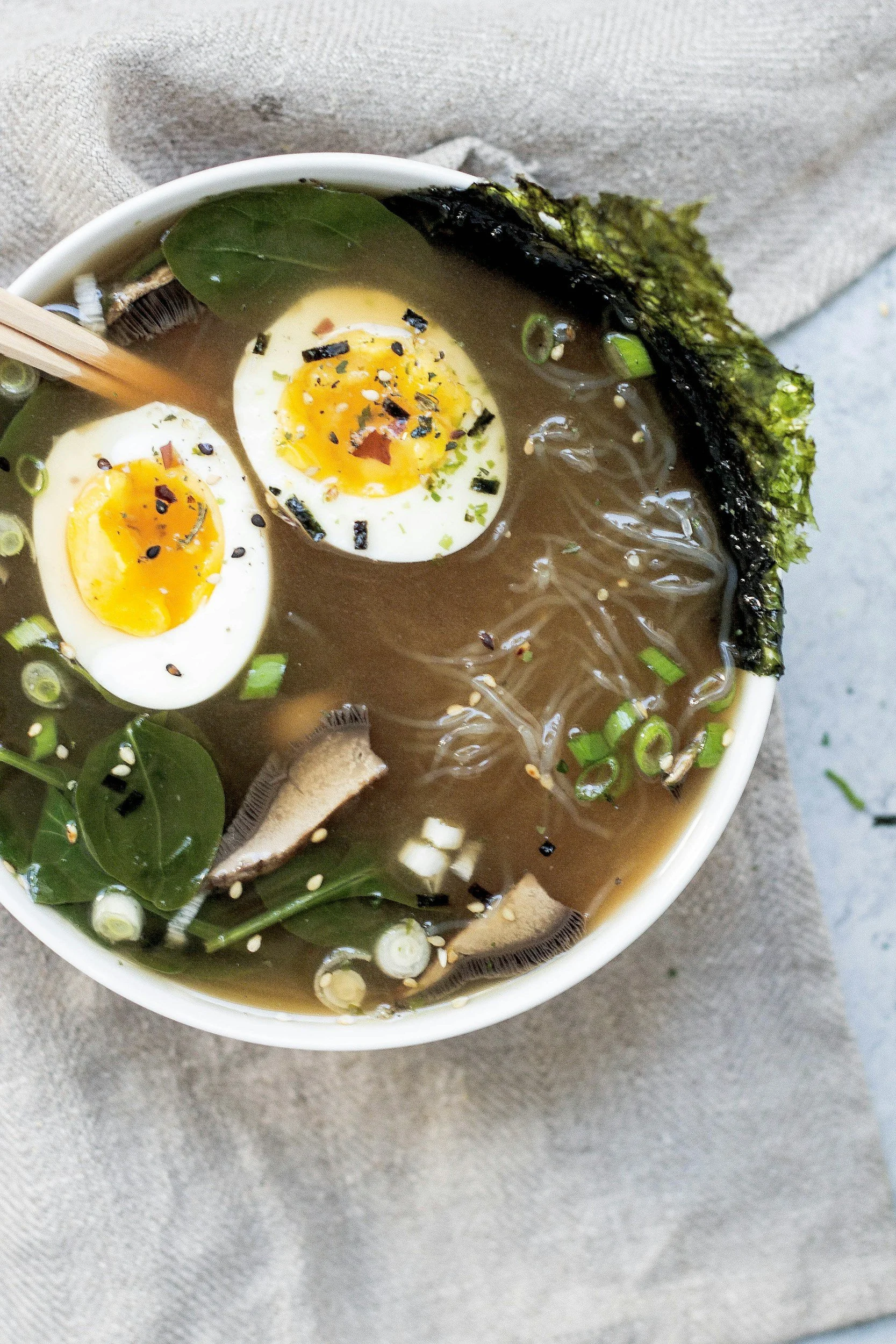
4. Support Your Body with Water-Rich Foods
Hydration is about more than remembering to drink a glass of water. The fluids you consume through food may also contribute to your daily hydration.
This is one of my favourite nutrition concepts to explore because it motivates us to think about the overall quality and composition of our meals.
High-water-content foods can provide fluids alongside carbohydrates, vitamins, minerals, and other nutrients. Depending on the food, they can also contribute protein, fibre, and fat.
As the weather cools, try adding more:
Homemade soups and stews.
Broths for cooking rice, potatoes, or other grains and starches.
Steamed or simmered vegetables.
Water-rich fruits such as apples, pears, grapes, and citrus.
Stewed fruit and homemade compotes.
Squash and root vegetables prepared with nutritious ingredients.
Milk or fortified alternatives, if they suit your dietary needs.
Broths and soups can be especially convenient when you want a meal that combines fluid, protein, carbohydrates, and vegetables.
However, eating your hydration doesn’t mean replacing drinking water altogether. Your fluid needs will vary depending on activity, climate, health, and other individual factors. Drinking water regularly and including fluid-containing foods can collaborate to support hydration.
A simple question to ask yourself: Are you nourishing yourself with regular meals and a variety of fluids, or are you relying on coffee and occasional glasses of water while forgetting to eat?
Sometimes the answer is a prompt to slow down and give your body more consistent nourishment.
5. Cook More Vegetables Without Giving Up Your Favourite Salads
Fall is a wonderful season for cabbage, mushrooms, leeks, onions, beets, fennel, parsnips, Brussels sprouts, and winter squash.
You can roast, steam, sauté, or add these vegetables to soups and stews. They offer variety in flavour and texture while supplying fibre and important micronutrients.
If you find large raw salads leave you feeling overly full or bloated, try cooked vegetables for a while and notice how you feel.
Cooking softens plant tissues and changes fibre texture, which may improve tolerance for some people. Other people digest raw vegetables comfortably and enjoy the freshness they bring to meals.
You don’t need to choose one approach exclusively.
I love the idea of building meals around a combination of foods that you genuinely enjoy, rather than forcing yourself to eat something simply because it is considered the healthiest option.
Try this fall vegetable bowl:
Roasted carrots, beets, and squash.
Ground beef, chicken, or another protein you like.
Rice or potatoes.
Olive oil or butter, if desired.
Fresh herbs and a squeeze of lemon.
It’s simple, satisfying, and easy to adapt to whatever you have in your fridge.
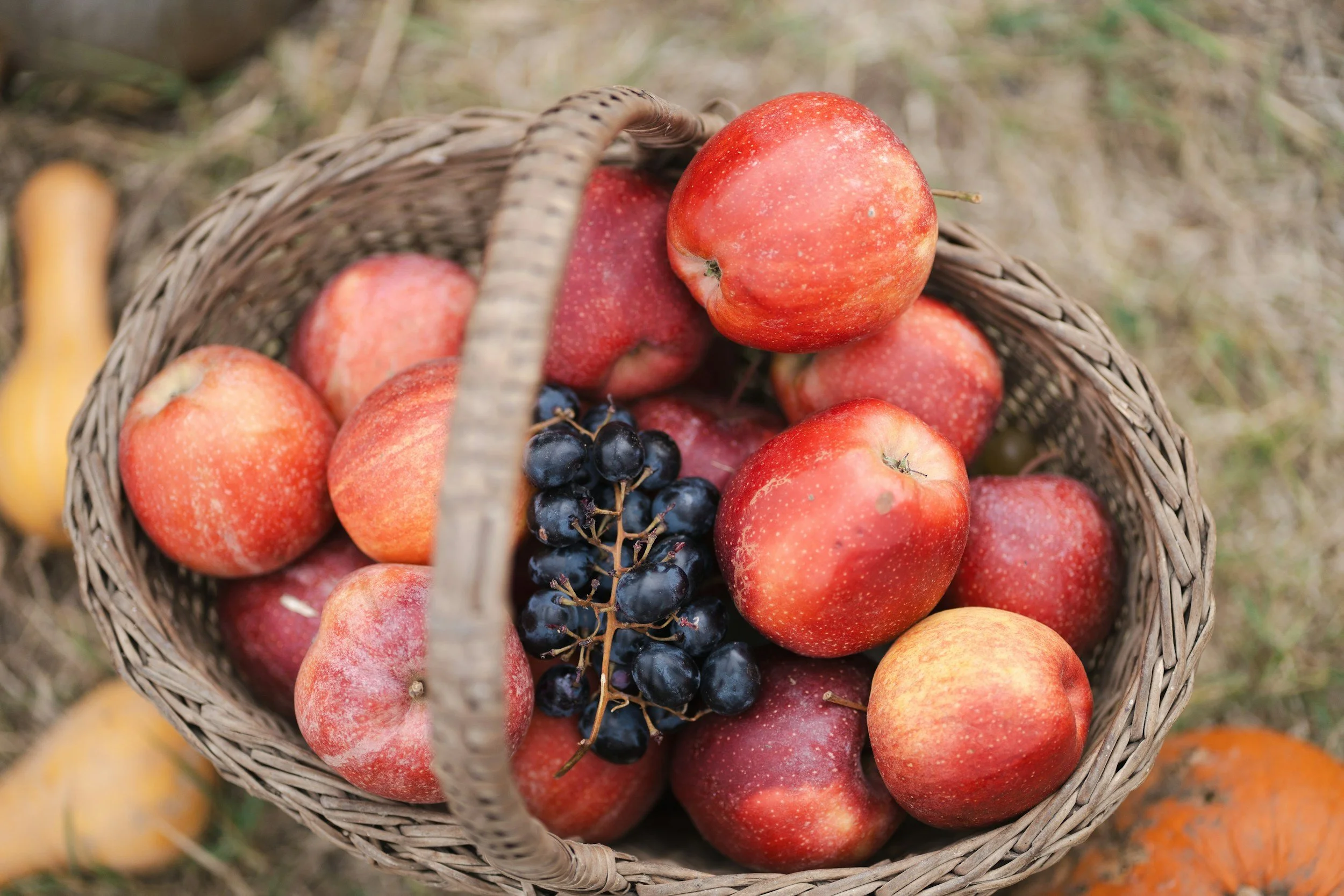
6. Keep Fruit in Your Fall Nutrition Routine
Fruit doesn’t need to disappear from your diet when summer ends!
Apples, pears, grapes, plums, cranberries, pomegranates, and other seasonal options can bring colour, flavour, fibre, and water into your meals.
Enjoy fruit fresh when you feel like it, or warm it on the stove as the weather cools.
One of the easiest ways to make fall fruit more versatile is to prepare a simple homemade compote.
Easy Cinnamon Apple and Pear Compote
Ingredients
2 apples, chopped.
2 pears, chopped.
¼ cup water, adding more as needed.
½ teaspoon cinnamon.
A small amount of freshly grated ginger, optional.
Honey or maple syrup, optional.
Directions
Add the chopped apples, pears, and water to a small saucepan.
Stir in the cinnamon and ginger.
Cover and simmer over low heat for approximately 10–15 minutes, stirring occasionally.
Add a little more water if the fruit begins to stick.
Cook until the fruit reaches your preferred texture.
Enjoy it alongside plain yogurt, oatmeal, or a protein-rich breakfast. You can also serve it as a simple dessert.
Fruit naturally contains carbohydrates, fibre, and water. Pairing it with protein or fat can make it part of a more satisfying snack or meal.
7. Make Winter Squash a Fall Staple
It’s squash season! Butternut, acorn, delicata, kabocha, spaghetti squash, and pumpkin all offer different textures and flavours.
Squash is a versatile source of carbohydrates and provides varying amounts of fibre, carotenoids, and other micronutrients depending on the variety.
Instead of treating squash as a small side dish, consider making it a regular part of your fall meals.
Five simple ways to enjoy squash:
Steam and mash it with butter, herbs, and sea salt.
Add cubed squash to a soup made with broth and your favourite protein.
Blend roasted squash with broth, garlic, and ginger for a creamy soup.
Fill roasted delicata squash halves with ground beef, rice, and herbs.
Roast squash with olive oil or another cooking fat and serve alongside slow-cooked meat.
Squash can be especially useful when you’re trying to prepare meals ahead of time. Roast a large tray, refrigerate the leftovers, and use them throughout the week.
For a well-balanced meal, pair squash with a protein source and enough fat to make the meal satisfying.
8. Don’t Fear Carbohydrates: Build Balanced Fall Meals
Carbohydrates are an important energy source, and you don't need to eliminate them automatically when the seasons change.
Potatoes, rice, fruit, oats, squash, and other carbohydrate-rich foods can all fit into a nourishing eating pattern.
From a holistic nutrition perspective, focus on the overall meal, the quality and variety of your food, and your individual needs rather than labelling an entire macronutrient group as unhealthy.
For many people, a balanced meal includes:
Protein: Eggs, beef, chicken, fish, yogurt, beans, or other preferred sources.
Carbohydrates: Potatoes, rice, squash, oats, or fruit.
Fats: Olive oil, avocado, butter, nuts, seeds, or other suitable options.
Fibre and micronutrients: A variety of vegetables and fruits.
Your ideal balance may look different depending on your activity level, appetite, digestive health, and medical needs.
If you find yourself constantly hungry in the evening, craving snacks, or experiencing low energy throughout the day, consider whether you’re eating enough at breakfast and lunch and whether your meals are adequately balanced.
Restricting food during the day and then feeling ravenous at night isn’t a personal failure. It may signal that your eating routine needs more consistency or nourishment.
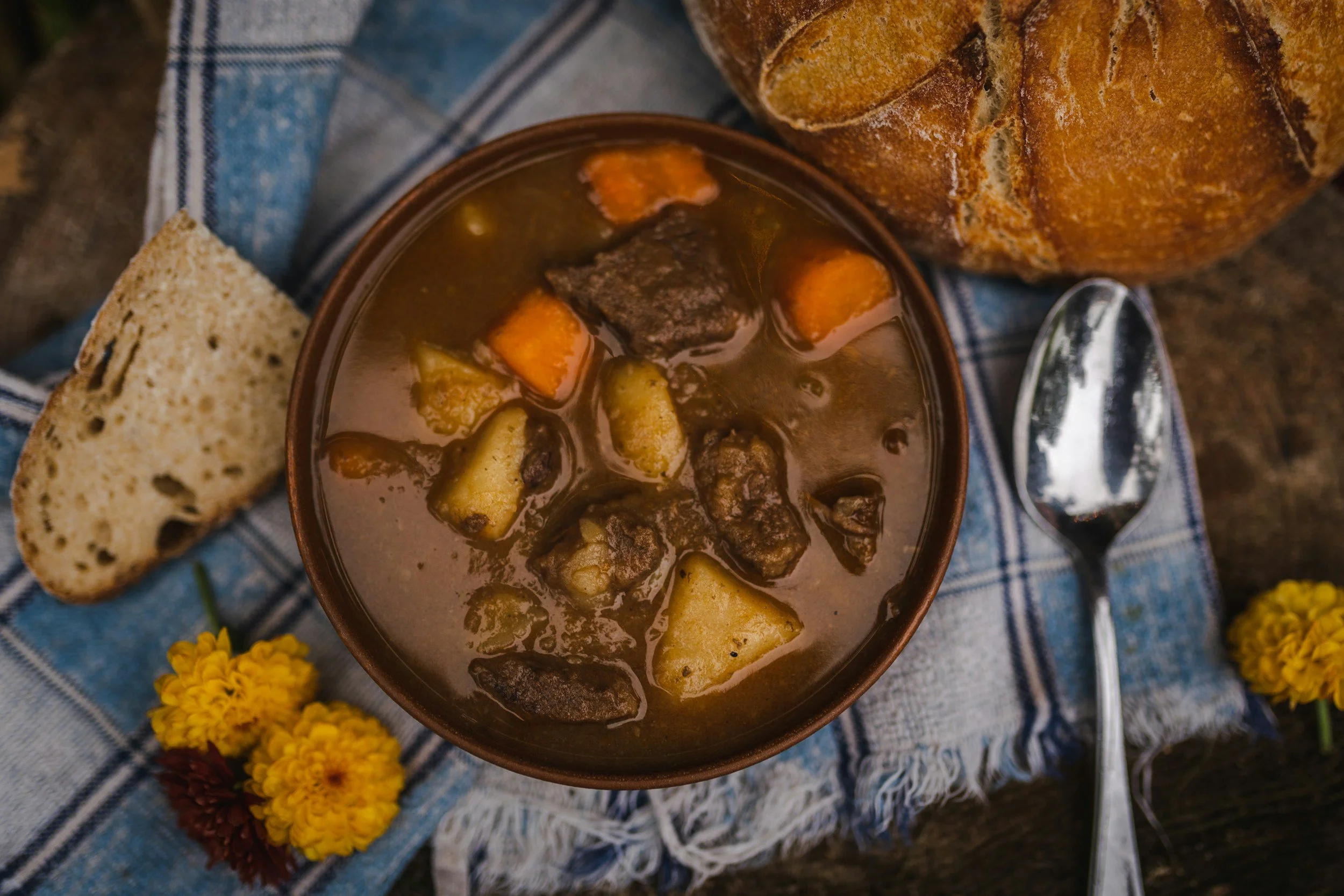
9. Make Slow-Cooked Meals for Nourishment and Convenience
Thereis something comforting about a pot of stew simmering on the stove on a chilly fall afternoon.
Slow-cooked meals are one of my favourite ways to make nutrient-dense eating more practical. They let you prepare several portions at once, use affordable cuts of meat, and create leftovers for days when cooking feels like too much work.
Consider adding these meals to your fall rotation:
Slow-cooked beef stew with potatoes and carrots.
Whole roasted chicken served with root vegetables.
Beef shank or oxtail simmered in broth.
Lamb stew with onions, garlic, and herbs.
Chicken soup with rice and vegetables.
A hearty beef and squash casserole.
Cooking meat on the bone and using the resulting cooking liquid can add flavour and gelatin to your meals. Broths and stocks vary in nutrient content, so they shouldn’t replace a complete protein source or a varied diet.
For an easy meal-prep routine, cook a larger batch, portion it into containers, and refrigerate or freeze what you won’t eat within a safe timeframe.
Having nourishing meals ready to go can make it easier to maintain consistent eating habits even during your busiest weeks.
10. Use Herbs and Spices to Bring Your Fall Meals to Life
Herbs and spices are an easy way to add flavour and variety without making complicated meal prep.
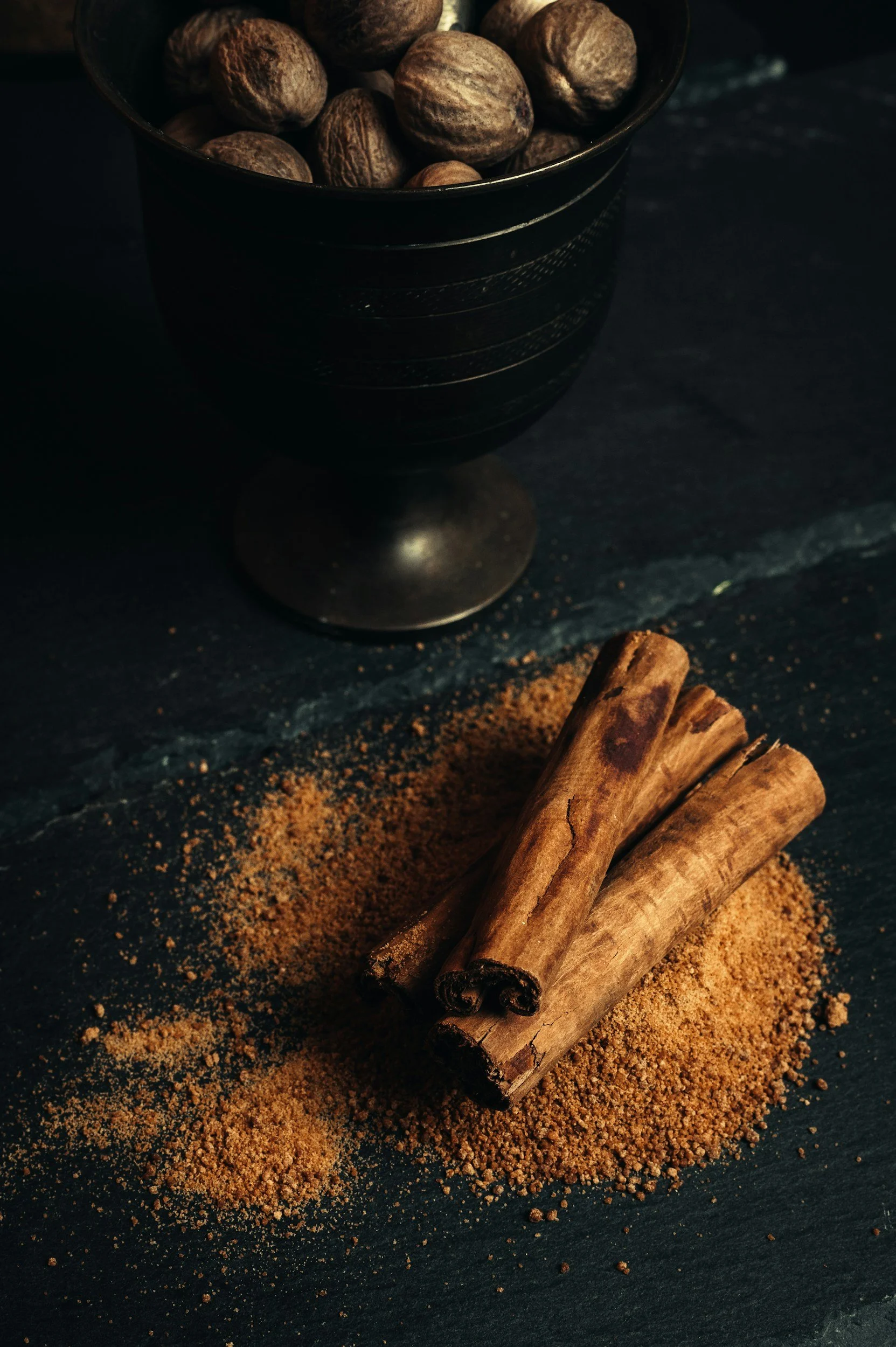
Ginger, cinnamon, cloves, cardamom, rosemary, thyme, garlic, and citrus zest work beautifully in fall-inspired meals.
They can help make simple ingredients feel more enjoyable and encourage you to cook at home more often.
Here are a few combinations to try:
Ginger: Add fresh ginger to soups, stews, or warm drinks.
Cinnamon and cloves: Stir into stewed apples, pears, or oatmeal.
Rosemary and thyme: Use with roasted vegetables, chicken, or beef.
Garlic and onion: Add to broths, casseroles, and slow-cooked meals. If you have a sensitivity to garlic or onion, book an appointment with Emily Pankratz Nutrition in Abbotsford or Vancouver, in order to get to the root of this allergen and heal from the inside out.
Citrus zest: Grate lemon or orange zest over rice pudding, roasted vegetables, or fish.
Fresh herbs: Finish soups and stews with parsley, dill, or cilantro.
Many herbs and spices contain bioactive compounds that have been studied for their potential health effects. However, using them in cooking is not the same as taking a concentrated supplement, and they shouldn’t be viewed as a substitute for medical care.
My favourite part? You don’t need an elaborate recipe to make your food more flavourful and enjoyable.
Your Fall Grocery List from an Abbotsford and Vancouver based Nutritionist
Use this list as a starting point for your next grocery trip.
Protein
Eggs
Beef, chicken, or lamb
Plain yogurt
Fish or other preferred protein sources
Vegetables
Butternut or acorn squash
Carrots
Potatoes
Onions and garlic
Cabbage
Mushrooms
Beets or parsnips
Fruit
Apples
Pears
Grapes or berries
Lemons
Pantry staples
Rice or oats
Broth or stock
Olive oil or butter
Cinnamon and ginger
Rosemary and thyme
Sea salt
Optional additions
Milk or a fortified alternative
Fresh herbs
Honey
Nuts or seeds
You don’t need to buy everything on this list. Choose a few ingredients you enjoy and build meals around what you already have at home.
How an Abbotsford and Vancouver Holistic Nutritionist Can Help You Build Sustainable Nutrition Habits
Seasonal eating is a helpful starting point, but nutrition goes beyond what is on your plate.
If you’re dealing with persistent bloating, constipation, hormonal concerns, energy fluctuations, or blood sugar imbalances, it may help to take a closer look at the bigger picture.
At Emily Pankratz Nutrition, I work with clients to explore the foundations that influence their health, including nutrition, digestion, sleep, stress, lifestyle habits, and other factors relevant to their individual circumstances.
Rather than handing you another restrictive meal plan, my goal is to help you understand your body, identify realistic points for improvement, and create sustainable habits that fit your life.
This may include reviewing your current eating patterns, building balanced meals, improving meal consistency, identifying foods you tolerate well, and determining whether further assessment or collaboration with another healthcare professional is appropriate.
Nutrition is one important piece of the bigger health picture. It doesn’t need to be perfect to be meaningful.
Looking for an Abbotsford Nutritionist or Vancouver Holistic Nutritionist?
Whether you’re hoping to improve your digestive health, support balanced blood sugar, navigate hormonal concerns, or feel more confident about how you nourish yourself, you don’t have to figure it all out on your own.
Working with a holistic nutritionist can help you develop a more individualized approach to food and lifestyle while keeping your goals, preferences, and day-to-day routine in mind.
If you’re ready to take a more intentional approach to your health, Emily Pankratz Nutrition offers individualized nutrition support for clients in Abbotsford, Vancouver, and surrounding areas of British Columbia.
Visit Emily Pankratz Nutrition to learn more about my approach and book a free discovery call to see whether we're the right fit.
References and Further Reading
This article was inspired in part by the following resources. The seasonal nutrition ideas have been adapted and rewritten for Emily Pankratz Nutrition’s audience.
Andra Sitoianu, The Bioavailable Naturopath. Eat Your Hydration: What I’m Cooking This Fall as a Naturopath. October 8, 2026. Read the original article on Substack. Andra’s discussion of seasonal eating, hydration through food, cooked vegetables, warming breakfasts, fruit, squash, slow-cooked meals, and herbs and spices inspired several of the themes explored here.
Kootenay Columbia College of Integrative Health Sciences. Chinese Medicine and the Season of Fall. Read the original article. This resource provides additional background on traditional Chinese medicine perspectives on seasonal living and nutrition.
Disclaimer: This article is intended for general educational purposes and is not a substitute for individualized medical or nutritional advice. Food choices and hydration needs vary from person to person. If you have persistent digestive symptoms, a medical condition, or specific dietary requirements, consult an appropriately qualified healthcare professional.